Stemtree of Spring TX Kids Education Center: A Guide for Parents
When you walk into Stemtree of Spring TX, you feel the energy before you hear a single voice. The scent of fresh markers, the quiet hum of computers, and the sight of kids bent over projects create a scene a parent dreams of: learning that feels like play until it suddenly becomes competence. This guide is written from years of watching families navigate the landscape of enrichment in the area, with an eye toward practical decisions, realistic expectations, and a clear sense of what the center can deliver for a wide range of learners.
The Spring area is a hub for families who want more than the basics. It is a place where curiosity is valued, and where structured exploration meets the demands of a modern, tech-forward world.Stemtree of Spring TX stands out in this context by centering children in the learning process, offering a spectrum of programming that extends from early childhood exploration to after school tutoring and summer immersion. What follows is a grounded, parent-centered view of how the center operates, what families should know before enrolling, and how to make the most of the programs on offer.
A practical backbone: how Stemtree structures its offerings
The port of entry for most families is a combination of belief in hands-on learning and the practical need for reliable supervision that fits busy schedules. Stemtree of Spring TX builds its programs around several core strands that map well to the developmental arc of most kids:
-
Early childhood education stem: At this stage, the emphasis is on play as a vehicle for foundational skills. Learning centers often incorporate age-appropriate robotics kits, color-coded coding games, and collaborative storytelling with a light touch of computational thinking. The goal is to cultivate attention, executive function, and a sense that problem solving can be a satisfying, communal activity rather than a solitary task.
-
Learning center for kids: As children grow, the curriculum shifts toward structured projects, guided inquiry, and a stronger emphasis on process. Here you’ll typically see a mix of science projects, engineering challenges, and basic coding activities designed to translate curiosity into a tangible product, such as a simple app, a device that measures something about the world, or a small robot that performs a function.
-
Educational programs for kids: This tier often includes more formalized activities, broader topics, and longer time commitments. It can encompass weekend workshops, themed camps, and ongoing sessions that thread the same skills together—logical thinking, experimentation, collaboration, and presentation.
-
Tutoring center: For families seeking targeted support, tutoring centers within Stemtree focus on reinforcing conceptual understanding, addressing gaps, and building confidence in subjects that intersect with STEM thinking. The approach tends to be diagnostic, with a plan that adapts to a student’s pace.
-
STEM camps Stemtree of Spring TX: Camps bring intensity and immersion, offering extended practice in a chosen topic. They are a natural fit for families seeking a longer stretch of learning during summers or school breaks, combining hands-on projects with mentorship and peer collaboration.
-
Summer stem camp Stemtree of Spring TX: These programs tend to cluster around the same core themes as the camps, with added focus on continuity from one session to the next. The structure aims to keep momentum going after the school year ends, while providing a social outlet that reinforces collaboration and resilience.
From the parent perspective, the value of this structure is that parents can pick a pathway that aligns with a child’s temperament and needs. A younger child might thrive on short, exploratory sessions that build tools for later learning, while an older student may benefit from longer, more challenging projects that demand sustained attention, planning, and iteration.
What parents should observe during the first weeks
First impressions matter, but long-term outcomes are built on consistent practice and responsive teaching. In the initial weeks, you should look for several indicators that the center’s approach is working for your child:
-
Interest and engagement: Does your child show curiosity about the tasks, or do they drift away after a few minutes? Engagement is a strong predictor of how well learning will stick when new ideas become more complex.
-
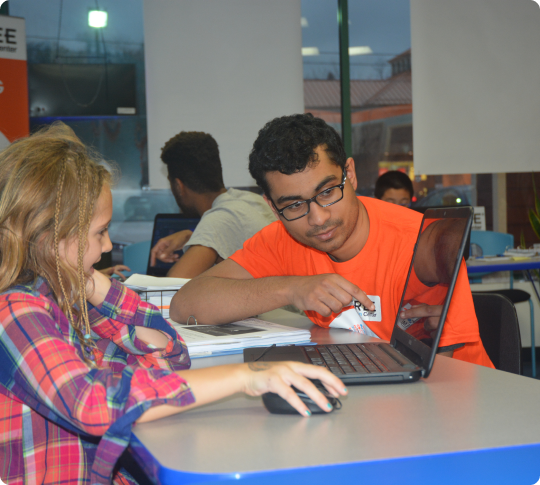
Problem solving in real time: Teachers should encourage students to articulate their thinking. When a child hits a snag, watch how the instructor frames the challenge. Effective teachers ask clarifying questions, offer guided prompts, and avoid rushing to a quick fix.
-
Collaboration and communication: The ability to work with peers, listen to others, and present a solution are critical soft skills that ride along with technical proficiency. Observe how teamwork is facilitated and how students practice explaining their ideas to someone else.
-
Feedback loops: Constructive feedback helps students refine their approaches. A healthy program will balance praise with precise suggestions that encourage a next attempt rather than a fixed outcome.
-
Progress documentation: Parents benefit from regular updates that translate project work into competencies. A clear record of what was learned, what remains challenging, and what the next steps are is essential to sustaining momentum.
The decision to enroll a child in a particular path should be guided by a conversation that includes the child. When a child feels ownership over their learning, that sense of agency translates into persistence, the willingness to revisit a difficult idea, and a greater likelihood of applying what was learned in other settings.
A closer look at the early childhood stage
Stemtree’s early childhood programs are designed to meet the dual goals of delight and development. At this stage, children are absorbing language, social norms, and a sense of their own capabilities as much as they are absorbing facts. The center’s approach uses simple, tangible tools to model abstract concepts.
-
Blocks, ramps, and manipulatives become a language through which kids begin to understand cause and effect. A simple tower built with blocks might inspire a discussion about balance, gravity, and testing ideas. When kids see their designs fail and then rebuild, they learn resilience without fear of making mistakes.
-
Gentle exposure to basic coding concepts often comes through storytelling and guided play. For example, a story about a robot that needs to find its way home lays the groundwork for sequencing, conditional logic, and debugging in a non-threatening setting.
-
Sensory-rich activities tie cognitive work to real-world experiences. A pretend kitchen that measures ingredients with simple sensors can introduce measurement, data collection, and the idea that technology can help with everyday tasks.
-
Social learning rules the day, with emphasis on sharing, turn-taking, and cooperative problem solving. Room routines are predictable enough to feel safe, while varied enough to keep curiosity alive.
-
The transition to more formal learning is gradual and designed to feel like a natural continuation of play. The ultimate aim is not mastery of a tool at this age but rather mastery of a mindset: curiosity, patience, and the discipline to observe and reflect.
The middle years: from curiosity to competence
As children move into elementary school age, the curriculum tends to formalize. The best programs provide a scaffold that keeps the child curious while introducing the vocabulary and frameworks that will carry them forward in STEM fields.
In practice, you’ll see:
-
Structured projects with a clear goal and measurable outcomes. A project might involve designing a simple sensor to monitor temperature over time, then presenting the data and proposing improvements.
-
Incremental skill-building that respects varying paces. Some students rush toward a solution; others linger on a single concept. The best instructors recognize these differences and tailor prompts to keep both groups moving forward.
-
Emphasis on process over product at first, then a shift toward demonstration of what they learned. Students learn to articulate their reasoning aloud, which supports both science literacy and communication skills critical to future success.
-
Real-world contexts that connect classroom learning to everyday life. For example, a lesson on circuits might be tied to household devices, not just abstract theory.
-
Access to mentors who model professional habits. Seeing instructors treat experiments with seriousness and safety, while preserving a sense of play, gives students a living example of how good scientists and engineers operate.
The tutoring and enrichment lens
When families turn to tutoring or enrichment programs, the demand often centers on targeted support and accelerated growth. Stemtree’s tutoring center can fill gaps without sidelining a child’s intrinsic love of discovery. The framing here is important: tutoring is not merely about getting better test scores; it is about building confidence that translates across subjects.
-
Diagnostic starts: A good tutor sits with the student to map out strengths, gaps, and the logical sequencing of concepts across topics. This map becomes the spine of a customized plan.
-
Short, frequent practice: The value of repetition is real, especially when it is deliberate and focused. The goal is to convert fragile understanding into durable knowledge through iterative attempts.
-
Strategy coaching: Beyond content, tutors teach students how to study, how to ask questions, and how to verify their own understanding. That meta-cognitive layer is what turns mastery from a momentary win into lasting capability.
-
Comfortable pace with consistent cadence: A successful tutoring arrangement maintains a steady rhythm, ensuring the student does not feel overwhelmed but still experiences steady progress.
-
Transition support: The best tutors help students apply what they learn in tutoring to classwork and external projects, ensuring skills transfer beyond the tutoring session.
Choosing a STEM camp or summer stem camp

Summer programs are a natural investment for families who want to preserve momentum while school is out. Stemtree’s summer stem camp programs are designed to offer exploration with depth, balancing guided instruction with time for independent tinkering and peer collaboration. The strongest camps provide:
-
A coherent theme across sessions that allows students to see the arc of a project from concept to prototype to presentation. The arc helps kids understand why certain methods matter and how each step builds toward a finished product.
-
Access to mentors who can scale the challenge to each student. Some kids are ready to push into more complex algorithms, while others benefit from a hands-on, low-stakes exploration that builds confidence before tackling tougher material.
-
Realistic project goals that matter to the kids. When a child can point to a tangible outcome—an app, a robot that completes a circuit, or a functioning prototype—that sense of achievement sustains motivation through more challenging material later.
-
A social environment that values collaboration. Summers can be long and lonely if activities are too solitary. A strong camp emphasizes teamwork, peer feedback, and opportunities to show off work in small showcases.
-
Safety and structure that respect parents’ time. Clear drop-off and pick-up windows, transparent supervision practices, and an easy-to-navigate schedule help families plan for the season with less friction.
-
Optional family-facing events that connect home and camp learning. Show-and-tell demos and short family nights help reinforce learning and invite parents into the child’s progress.
What to look for when you visit Stemtree for the first time
A proximity to your daily life is a practical virtue. When you tour the center, pay attention to a few concrete signals that reveal the culture and effectiveness of the program.
-
The teacher-to-student ratio: For younger children, a lower ratio often translates into more individualized attention and safer, more responsive supervision. For older children, it can still matter, especially when projects require paired work or small groups.
-
The learning environment: A well-run space looks like a workshop rather than a classroom. There should be organized stations, clean materials, and clear safety protocols for tools and equipment.
-
The project library: A good program maintains a rotating set of projects that align with current interests and emerging technologies. It should be possible to see examples of past work, hear about what students accomplished, and understand how new projects connect to broader topics.
-
Instructors’ approach to exploration: Skilled instructors guide rather than dictate. They pose meaningful questions, encourage students to articulate their thinking, and step in with scaffolds when a student becomes stuck.
-
Communication with families: Regular, readable updates matter. Expect progress reports that translate technical achievement into kid-friendly language and concrete next steps.
-
Flexibility and problem solving under pressure: Summer camps and extended sessions can bring tight deadlines. The center should demonstrate calm, practical strategies for keeping momentum without sacrificing safety or student well-being.
A candid note on trade-offs, limits, and edge cases
No program is perfect for every child, and it would be disingenuous to pretend otherwise. Here are some realities to keep in mind:
-
Not every kid loves the same facets of STEM. A child might be drawn to robotics but feel resistant to long coding sessions. The strongest programs allow for movement between activities, so a student can follow curiosity without feeling boxed in.
-
Curriculum drift is real when centers pivot to popular trends. A thoughtful program will explain why it changes topics and how those changes connect to core competencies such as computational thinking, problem solving, and collaborative skills.
-
Accessibility and scheduling constraints can influence outcomes. If a family cannot align with a fixed schedule, the center should offer alternatives that preserve learning continuity, like shorter sessions on different days or flexible tutoring options.
-
Cost versus value is a practical concern. The most expensive option is not always the best for your child. The right fit hinges on instructional quality, the relevance of projects to your child’s interests, and the degree of personal attention your child receives.
-
Long-term outcomes depend on ongoing practice. A great one-week experience can spark enthusiasm, but sustained growth usually requires regular engagement over months, paired with reinforcement at home and school.
Families often discover that the most meaningful gains come not from a single excellent class or camp, but from the pattern you shape over time. Consistent participation, honest reflection on what works, and a willingness to adjust pathways as the child grows create a durable foundation for STEM literacy.
Real-world stories from families in Spring
A few snapshots from local families help illustrate how Stemtree translates into everyday value. One parent shares how their third grader moved from hesitant participation to leading a small team on a robotics project. The shift didn’t come from a single breakthrough moment but from a steady sequence of prompts, incremental challenges, and a culture that treated every attempt as learning rather than a performance to be judged. Another family speaks of their middle schooler who began with a fear of failure and now approaches problems with a structured plan: define the problem, brainstorm possible solutions, test, and iterate. The teacher’s role here is to provide just enough scaffolding to keep the child moving forward while preserving the child’s agency. A third example comes from a family who used tutoring to bridge a gap in math reasoning that threatened to derail science coursework. With targeted practice, diagnostic assessment, and steady practice, their child’s confidence grew, and their performance improved across the board.
If you are weighing options, consider a phased approach. Start with a short, introductory program in either the early childhood or the middle school range. Observe how your child responds to the teaching style, the pace, and the type of projects offered. Then decide whether to extend into a full series of camps, or add tutoring sessions to bolster specific areas. A well-chosen mix can yield a balanced profile of skills and attitudes that will serve your child for years.
A practical path to long-term engagement
Creating a sustainable STEM learning habit requires more than a single program or a single project. It is about designing a rhythm that suits your family while giving your child time to explore, fail, reflect, and improve. Here is a practical approach you can adapt:
-
Start with clarity: Before enrolling, articulate what you want your child to gain. Is it stronger coding fundamentals, better teamwork, improved problem solving, or greater confidence with hands-on work?
-
Schedule strategically: Choose a mix that avoids overload. If your child is in a heavy academic cycle, consider shorter sessions or lighter weekly commitments. If there is a lull, add a more immersive experience like a summer stem camp.
-
Build a home practice routine: Create a low-pressure space for experimentation. A weekly family project can mirror what your child does at Stemtree and reinforce the habit of iterative thinking.
-
Track progress together: Use a simple, shared document where your child can reflect on what they learned, what they found difficult, and what they want to try next. Let the child own this log, with a parent providing gentle guidance.
-
Celebrate the process: Public demonstrations or family showcases are powerful motivators. They offer a chance to practice communication skills and to take pride in the work that went into a project.
A closing frame for parents
Stemtree of Spring TX Kids Education Center exists in a community that values practical skills, curiosity, and collaborative problem solving. The programs are designed to be accessible while maintaining a level of rigor that challenges capable students and supports those who are still building confidence. For families, the relationship with the center is most valuable when it becomes a stable partner in a child’s learning journey rather than a quick fix for a school gap.
If you are contemplating enrollment, give yourself permission to observe and to ask questions. Request a tour that includes time with a teacher who can discuss the curriculum in math tutoring spring terms of outcomes and strategies. Ask how projects are chosen and how they scale to different ages and abilities. Inquire about safety practices with any hardware or coding tools, and ask for examples of student work that illustrate progression.
The world our children are entering demands more than familiarity with screens. It requires comfort with experimentation, resilience in the face of failure, and the ability to translate ideas into concrete solutions. Stemtree of Spring TX offers a venue for developing those competencies in a way that respects the child’s pace, honors curiosity, and builds a community around thoughtful, hands-on learning. For many families, that blend is what turns a good enrichment option into a meaningful, long-term pathway.
Two concise reflections to guide decision making
-
What does your child want to do next, not just what are they capable of today? Align the program with genuine interest, because motivation is the strongest driver of sustained learning.
-
How will progress be documented and communicated to you? A clear, transparent reporting framework helps you understand gains, celebrate progress, and adjust plans when needed.
If you decide to explore Stemtree, plan to spend time listening as much as you speak. The center’s strengths emerge when you hear about projects your child can imagine themselves designing, and when you sense that teachers are invested in the child’s growth beyond a single session or camp. When that alignment exists, the pathway from curiosity to competence becomes an actual journey, one you and your child can navigate with confidence together. The result is not just a resume of activities but a dependable confidence in the language of problem solving that will serve your child for years to come.
Appendix: a short checklist for quick decisions
There are moments when you need a fast, practical guide to help decide whether a program fits your family. Use this brief checklist to orient yourself:
- Does the center offer a clear progression from play to more formal inquiry that matches your child’s development stage?
- Are projects varied enough to sustain interest across different topics within STEM?
- Is there a thoughtful balance between independent work and collaborative tasks that aligns with your child’s temperament?
- Do instructors demonstrate patience, curiosity, and an ability to translate complex ideas into kid-friendly explanations?
- Is there a transparent process for communication, progress tracking, and parental involvement?
If the answers feel positive and the logistics align with your family’s schedule, you may have found a strong partner in Stemtree. The most important thing is to start with honest conversations, observe closely how your child responds, and adjust as needed. A well-chosen STEM pathway can become a steady, rewarding through line in a child’s education, one that nurtures not only technical skill but also the confidence and creativity that underpin lifelong learning.